Research
Exploring the foundations of human civilization
The Department of Classics serves as a pivotal center for humanities research, dedicated to the comprehensive study of ancient Greece and Rome. This academic pursuit spans a vast chronological spectrum, from the emergence of Greek culture in the Bronze Age through the decline of the Roman Empire and into late antiquity.
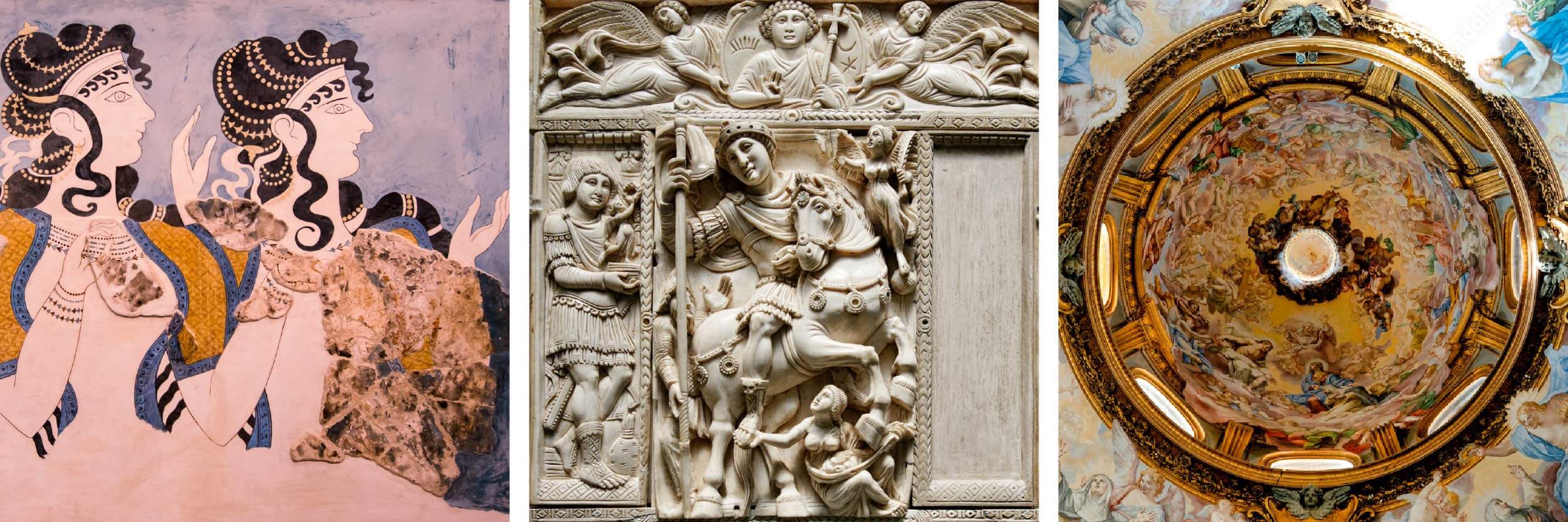
Our scholarly endeavors are designed not only to illuminate historical periods but also to provide profound perspectives on enduring questions concerning culture, societal structures, and the human condition. This research is characterized by its inherently interdisciplinary nature, fostering dynamic collaborations with allied fields, such as early Christian and medieval studies, and with departments, such as theology, the Program of Liberal Studies, art history, political science, philosophy, and the School of Architecture.
The department's extensive chronological and thematic reach underscores our foundational role in humanities scholarship. The strong emphasis on interdisciplinary engagement is a deliberate choice, signifying that research is not confined. This approach leads to the formulation of richer, more intricate questions and the adoption of diverse methodologies, especially literary, linguistic, historical, and archaeological.
-

Areas of Excellence
We are committed to scholarly excellence across the discipline.
-
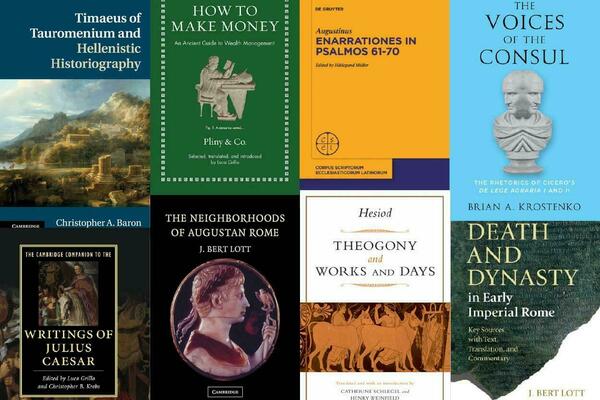
Faculty Bookshelf
Resent publications from our esteemed faculty.
-

Conferences
We are proud to host and co-host conferences that illuminate research in the field.
While we do not maintain our own dedicated research facilities, laboratories, or unique collections, our scholars and students benefit substantially from the extensive resources available across the broader University and through robust international collaborations, which regularly allow our students to conduct research in Greece and Rome.
This collaborative framework enhances the depth and contemporary relevance of Classics research, thereby making it more impactful in addressing fundamental questions of civilization that continue to resonate today.